


It used to be that students learned mostly from textbooks, teachers, and classroom discussions.
But now, because of artificial intelligence, students are using this to get answers right away. And the question is, where does it stop?
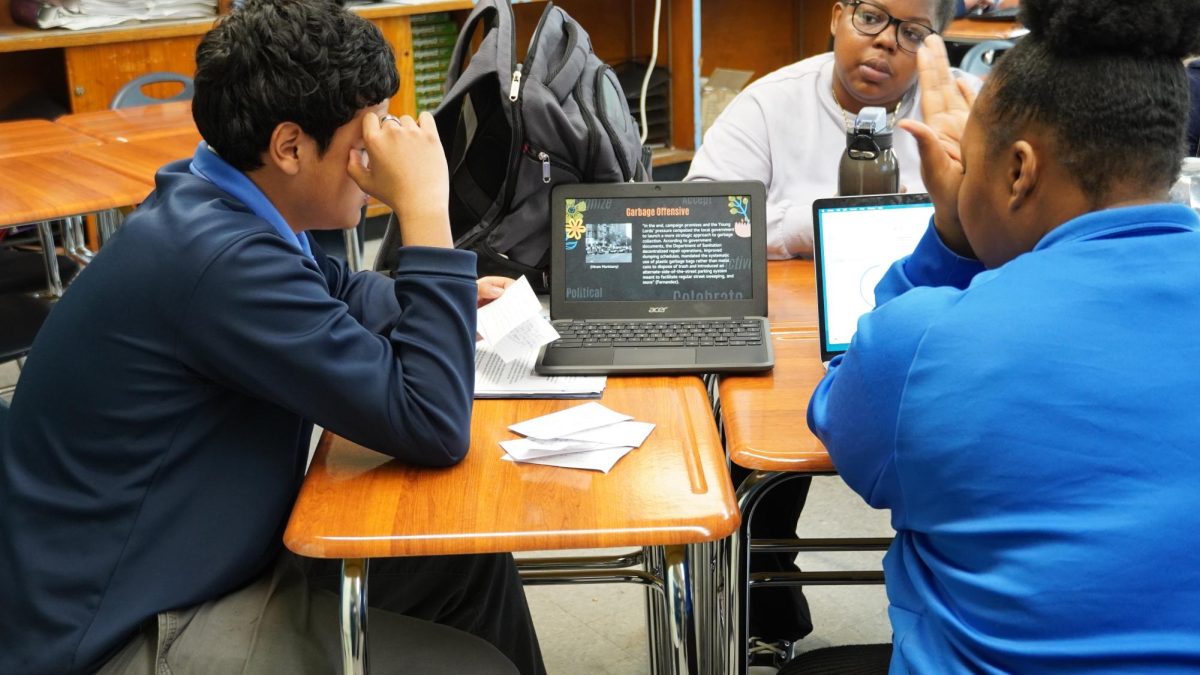
‟AI can be useful when collaborating, like it can help by dividing tasks, drafting parts of projects, and combining everyone’s work into a clean version. It allows groups to focus on more ideas while doing less work,” said a student who spoke on the condition of anonymity because they feared being accused of cheating in their classes.
“AI could break it down step by step in a way that matches how I understand. And as for teachers, they teach for the whole class which can be difficult because everyone learns in different paces,” said the student.
Universities and Colleges are also seeing the benefits of students. An article published in NYTimes.com on December 1, 2025, universities and colleges have shown students new AI departments, majors, minor,
Students we spoke with imagine a future classroom where teachers act more like mentors while AI handles grading and progress tracking.
“I think it would be cool if that did happen one day but then again it might not feel good being surrounded by so much AI,” said the anonymous student.
Teachers however, often see the issue differently.
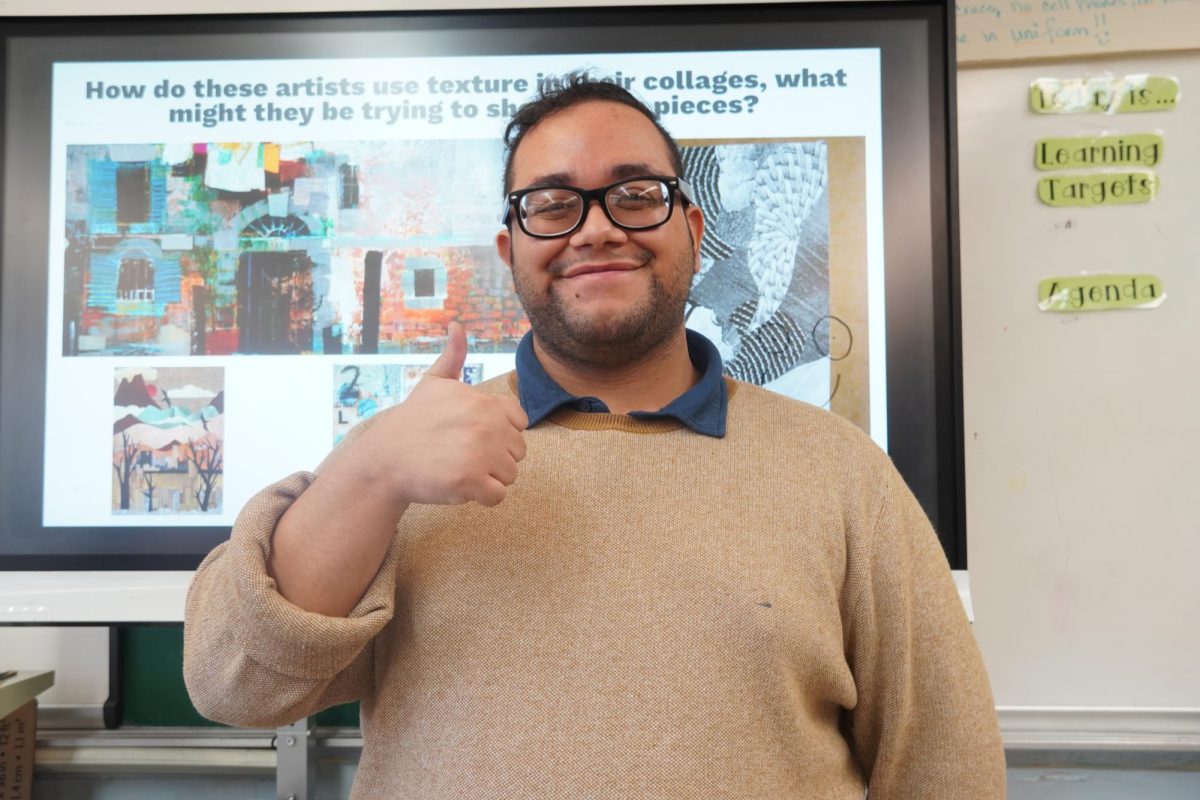
Ms. Valera, who is a 9th grade Spanish teacher at HS223, worries that students lean too heavily on AI.
“A lot of students are not thinking critically, they’re just putting it into the AI system and not understanding what they wrote down. They don’t even think, they don’t even try to hide the fact they’re using AI, [and] they basically just copy and paste it into their work,” said Ms. Valera.
Ms. Valera’s concern is that students are too focused on grades rather than the thinking process.
“I fear that after years of relying on AI instead of developing their own skills, students may not be mentally prepared for the challenges that the real world is going to give them,” said Ms. Valera.
Still, she admits that AI can be useful in some way if used correctly.
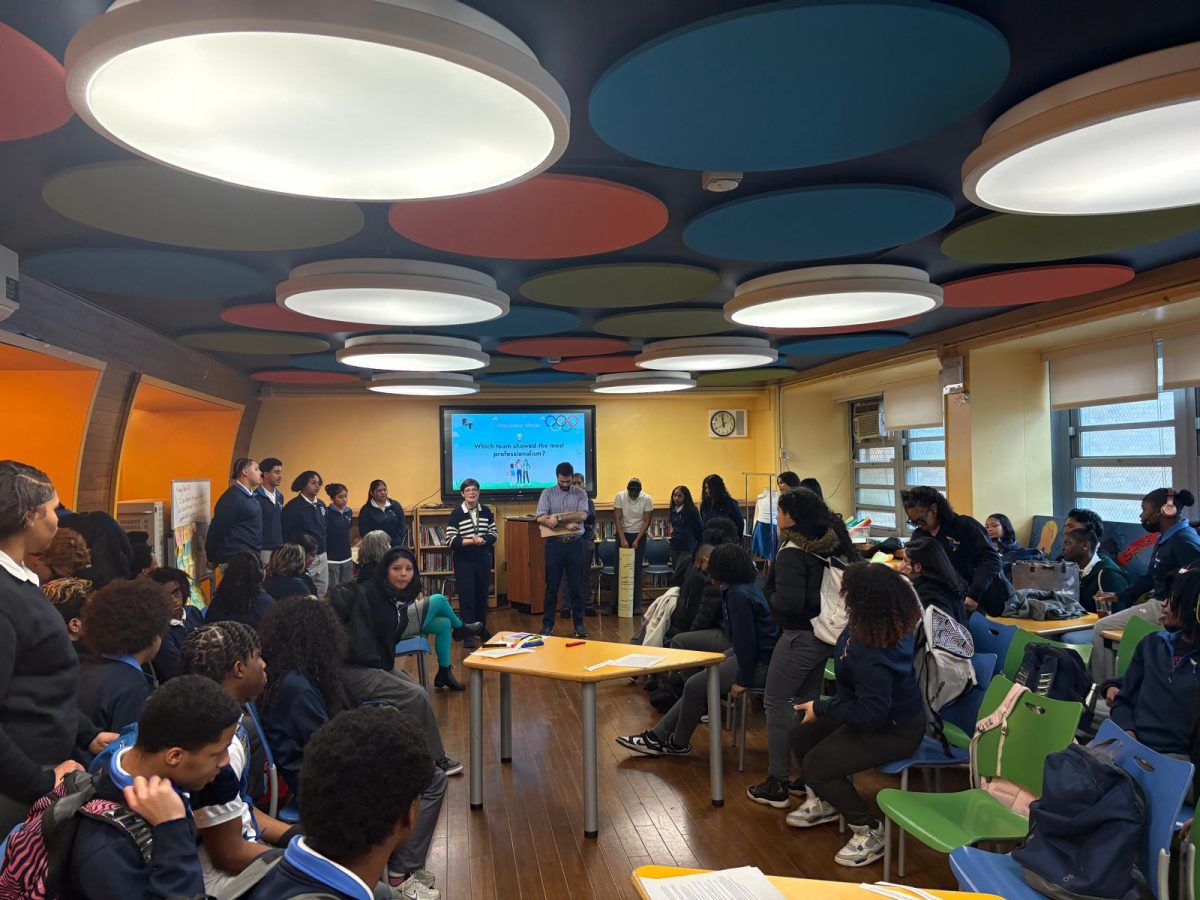
“I actually used some examples [in class] and showed the students which one is the most professional,” said Ms. Valera.
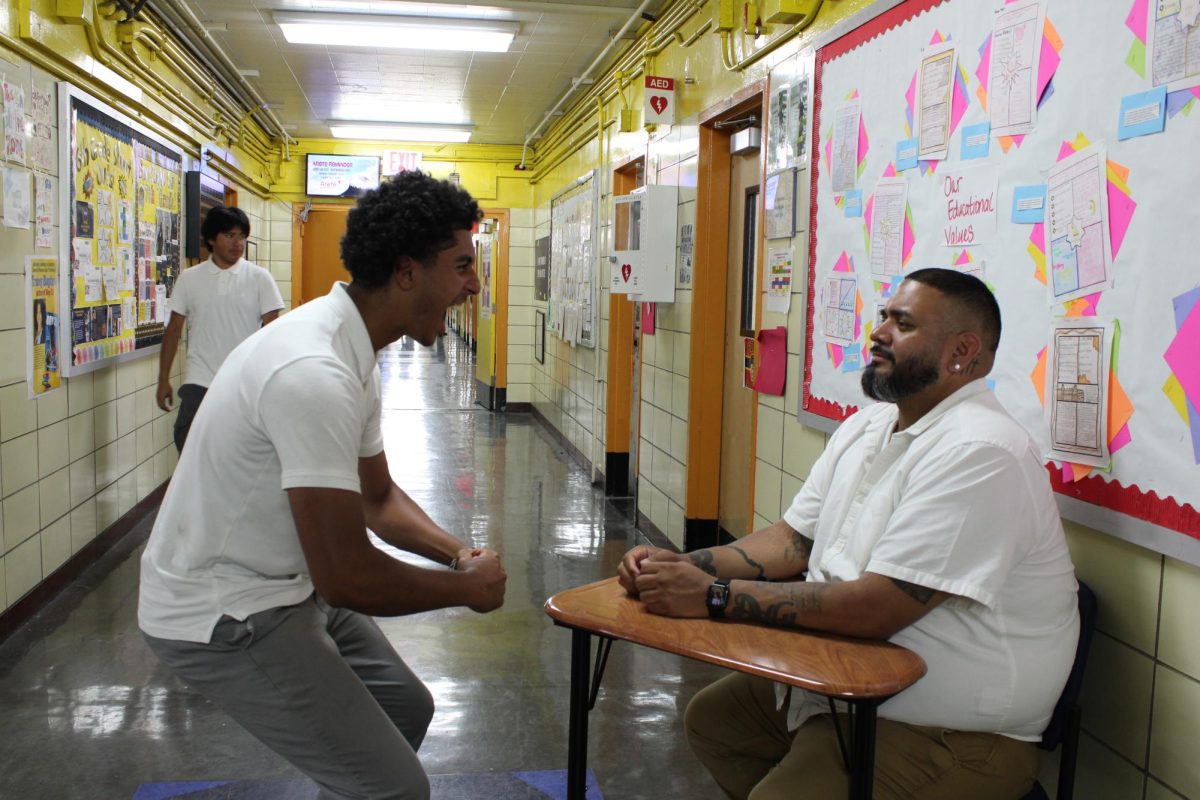
Mr. Franklin, the 11th grade counselor, explains that shortcuts have always existed in education and AI is not the first..
“I don’t think AI in it of itself is good or bad. It depends on how you use it,” Franklin said.
He compared AI to old habits he’s seen, like looking up answers instead of working through problems, but mentions that the stakes are higher now because AI is getting more powerful and is more accessible.
“Critical thinking has always been the heart of learning, so I strongly believes that schools must now teach students how to question sources, protect privacy, and build trust in their own work,” said Mr. Franklin
Counselors, like Mr. Franklin, hope for balance and a reminder to everyone that technology has always changed education but never replaced the creativity that humans actually have.
In the end, the future of classrooms will depend not just on technology, but on how people choose to use it.